Reducing scope 3 supply chain emissions
We ask all our suppliers to set science-based carbon reduction targets. Let’s make impact together.

What our suppliers say
Hear from our valued suppliers about their own journey partnering with us.
 WEC
WEC“The support from NG Bailey has been excellent and I’ve been given great guidance throughout. We would not be at the stage we are now without NG Bailey's support. We are very grateful”
- Linear Controls
“Support was always at hand and the team was insightful and very helpful”
 Cleveland Cables
“Being sustainable allows us to reinvest more back into the business, helping us buy better and ultimately deliver better outcomes for our customers. It creates a positive cycle that benefits both the business and the customer.”
 G&R Electrical
“Setting a carbon reduction target shows that we take sustainability as seriously as NG Bailey. Their team were a great help, having regular contact and taking up their offers for meetings I believe grew our relationship even further ”
Frequently asked questions
We’ve answered some common questions to help guide you through what Science-Based Targets mean and how to get started.
What if we don’t have detailed carbon data yet?
Start with what you can measure. We’ll support you in improving data quality over time. The Supply Chain Sustainability School offers free resources, including a carbon calculator, which is a great starting point.
Do we need to hire consultants?
Not necessarily. Many suppliers manage the process internally using available guidance, tools, and templates.
Is it expensive or complicated?
There may be some upfront investment, but the long-term benefits - such as efficiency gains and improved competitiveness - often outweigh the costs.
What’s the timeline?
We’ll work with you to agree realistic milestones for progress, target-setting, and validation.
What are the next steps to get started with you?
Book a meeting with our sustainability team by contacting us at sustainablesupplychain@ngbailey.co.uk
We’re here to help you on your journey to a validated science-based target.

Discover more
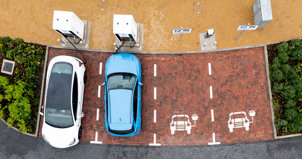
Reducing our carbon impact
Over the past decade, we’ve made strong progress in reducing our carbon impact through focused energy and carbon reduction initiatives.

Protecting our planet
We are committed to protecting the environment while strengthening long-term business resilience.
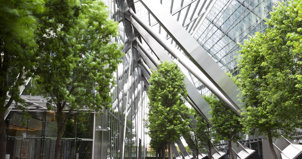
Enabling decarbonisation
By supporting low-carbon buildings, transport and power infrastructure, we strengthen national energy systems and deliver measurable emissions reductions through innovation, specialist expertise and long-term operational support.
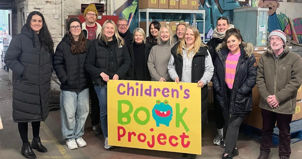
Creating social value
Social value shapes the decisions we make, the partnerships we build and the positive legacy we aim to leave behind.