EDF - Sizewell C - Fen Marsh Management, Suffolk
As part of our expanding remit at Sizewell C, we are responsible for managing and enhancing a wide range of land holdings, including areas specifically designated under Development Consent Order (DCO) conditions
Creating lasting biodiversity at Sizewell C
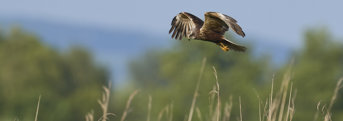
As part of our expanding remit at Sizewell C, we are responsible for managing and enhancing a wide range of land holdings, including areas specifically designated under Development Consent Order (DCO) conditions. A key focus of this work has been the creation and long‑term stewardship of habitats to support Marsh Harrier populations, alongside surrounding scrub, grassland and hibernacula, ensuring biodiversity is protected and enhanced alongside major infrastructure development.
The project centred on transforming former farmland into a resilient, high‑quality ecological landscape capable of supporting priority species displaced by the construction of the Sizewell C Nuclear Power Plant. Through carefully planned site works and habitat creation, degraded land was re‑engineered into a thriving natural environment designed to deliver measurable Biodiversity Net Gain (BNG).
Works began with the clearance of invasive vegetation, poor‑quality soils and historic spoil from the Marsh Harrier lakes, followed by extensive water management interventions, including new gullies and reservoir screening. Redundant concrete infrastructure and arable tracks were removed and conditioned for future use, while selective tree trimming and de‑vegetation improved access and growing conditions across the site.
New habitats were created through the redistribution of hibernacula and excavated materials, supported by grassland creation, shrub planting, dead hedging and extensive tree planting. These measures were carefully aligned with BNG recommendations to ensure long‑term ecological value and resilience.
Protection and enhancement measures were embedded throughout delivery. Perimeter bunds were planted with wildflowers to meet biodiversity requirements, while reptile, rabbit and deer fencing was installed to safeguard wildlife and seasonal migration routes. Aquatic plants and reeds were introduced and translocated, supported by fascines to reduce erosion and stabilise water margins.
All works were seasonally programmed to protect vulnerable species, including water voles, otters and breeding waders.
Ongoing monitoring and surveying form a critical part of the project, providing assurance that habitats continue to thrive and that DCO commitments are met over the long term.